Applying for IPOs via HUF and Minor Accounts in India (2025–26)

India’s IPO ecosystem in FY 2025–26 has matured into a technology-driven, regulation-intensive market, where informed structuring matters as much as stock selection. Among retail investors, Hindu Undivided Families (HUFs) and minor accounts have emerged as two of the most powerful—yet misunderstood—vehicles for primary market participation.
This guide explains how to apply for IPOs using HUF and minor accounts, covering SEBI rules, ASBA & UPI workflows, tax treatment, allotment strategy, and post-listing implications, using only verified regulatory frameworks.
Understanding the Indian IPO Regulatory Framework (2025–26)
All IPO participation in India is governed by the Securities and Exchange Board of India under the ICDR Regulations. For investors, categorization determines both eligibility and allotment probability.
Retail Reservation Advantage
- Retail Individual Investor (RII) category: – Application value up to ₹2,00,000 – 35% Max
- Allotment in oversubscribed IPOs is lottery-based.
This structure makes separate legal identities (like HUFs and minors) strategically valuable.
IPO Applications Through a Hindu Undivided Family (HUF)

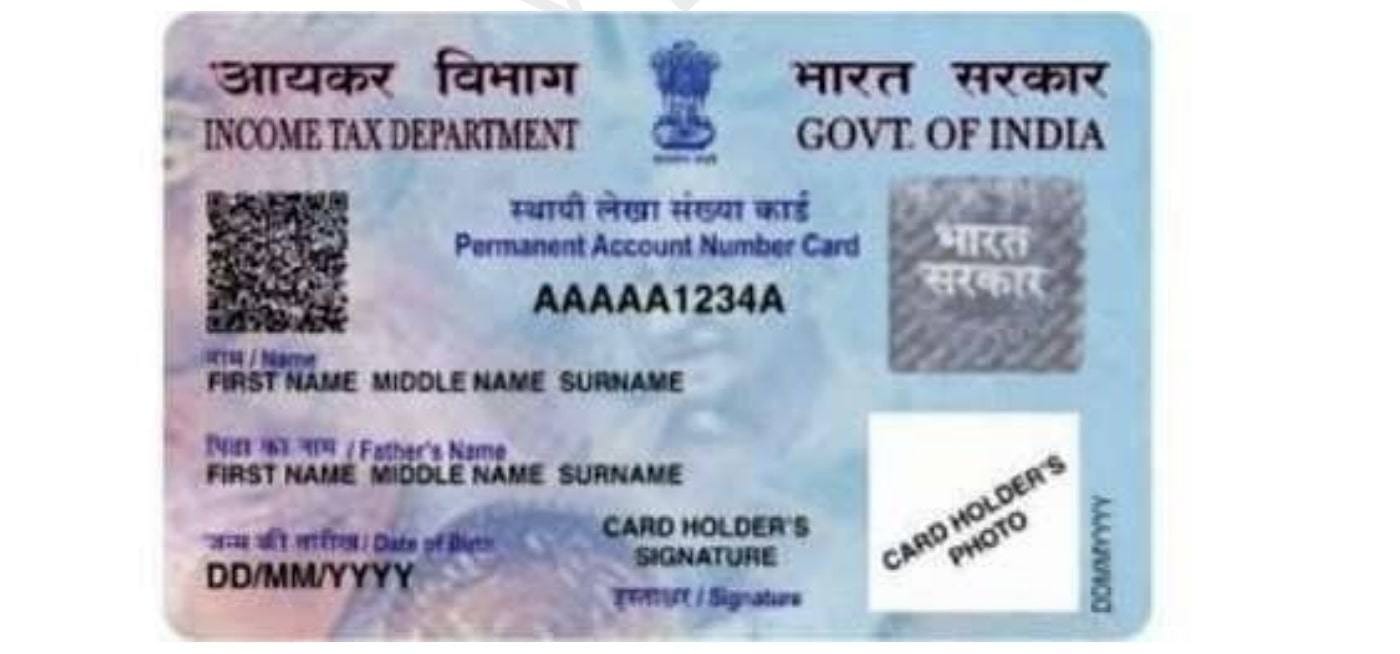
What Is an HUF for IPO Purposes?
A Hindu Undivided Family is a separate legal “person” under Section 2(31) of the Income Tax Act.
Key characteristics:
- Separate PAN
- Separate Demat & bank account
- Managed by the Karta
- Recognized independently by SEBI, NSDL, CDSL, and banks
Why HUFs Are Powerful for IPO Investing
1. Separate Allotment Probability
SEBI restricts one IPO application per PAN. Since an HUF has its own PAN, the family can legally apply:
- Once as an individual
- Once as an HUF
This doubles allotment probability in oversubscribed IPOs.
2. Category Flexibility
An HUF can apply as:
- Retail (≤ ₹2 lakh)
- NII (> ₹2 lakh)
This allows strategic bidding depending on demand dynamics.
How to Apply for an IPO via HUF (2025–26)
Method 1: IPO Ji
Steps to Apply for an IPO on IPO Ji:
- Download and Set Up: Download the IPO Ji app from Google Play or Apple App Store.
- Select IPO: Browse the "Live" or "Current IPO" section to select the mainboard or SME IPO.
- Click "Apply Now": Click the "Apply" button on the IPO details page.
- Enter Details: Enter your UPI ID, PAN card number, and 16-digit Demat account number (DP ID + Client ID).
- Submit Bid: Select the quantity (lot size) and bid at the cut-off price.
Approve Mandate: Open your UPI app (Google Pay, PhonePe, BHIM) to approve the payment mandate.

Method 2: ASBA
Application Supported by Blocked Amount allows funds to remain in your bank account while being blocked.
Requirements
- HUF savings/current account with an SCSB
- HUF PAN
- HUF Demat account
Process
- Login to bank net-banking (ASBA section)
- Select IPO
- Enter:
- HUF PAN
- Demat details
- Bid at cut-off price
- Funds are lien-marked, not debited
Method 3: UPI (Retail / Small NII only)
Unified Payments Interface allows IPO bids via brokers.
Important constraints
- UPI ID must be in HUF name
- PAN on bank & Demat must match
- ₹5 lakh per mandate limit
- Karta must approve mandate before 5 PM on closing day
Taxation of HUF IPO Gains (FY 2025–26)
Default New Tax Regime
- HUF treated as separate assessee
- No Section 87A rebate
- Tax applies beyond ₹4 lakh
Capital Gains
- STCG (≤12 months) → 20%
- LTCG (>12 months) → 12.5%
Applying for IPOs via Minor Accounts
Legal Status of Minor Investors
Under Indian law, a minor:
- Cannot contract
- Must invest through a natural guardian
- Can hold securities in their own Demat account
SEBI permits single-holder minor Demat accounts only.
Why Invest in IPOs Through a Minor Account?
- Early compounding
- Long-term discipline (restricted selling)
- Post-18 tax independence
This makes minor IPO investing ideal for wealth creation, not speculation.
How to Apply for IPOs Using a Minor Account
Eligibility Checklist
- Minor PAN (mandatory)
- Minor Demat account
- Minor bank account (guardian-operated)
Application Modes
ASBA (Preferred)
- Guardian applies via bank (online or branch)
- Funds blocked in minor’s account
UPI (Age 15+)
- Only if UPI is enabled on minor account
- Guardian approval required
Intraday, F&O, margin trading not allowed
Taxation: Clubbing of Minor’s IPO Income
Under Section 64(1A) of the Income Tax Act:
- IPO gains of minor are clubbed with parent’s income
- ₹1,500 exemption under Section 10(32)
For high-income parents, listing gains may be taxed at 30%.
The Real Tax Advantage: After Turning 18
Once the child becomes a major:
- Clubbing stops
- Gains taxed in child’s hands
- Basic exemption & lower slabs apply
Minor to Major Transition Checklist
If not updated, the account may be frozen.
Required Updates
- PAN with photo & signature
- Fresh KYC
- Bank account conversion
- New signature specimen
Timeline: Within 180 days of turning 18
HUF vs Minor IPO Investing: Quick Comparison
Strategic Takeaways for 2025–26
- HUFs are ideal for:
- Increasing allotment probability
- Managing family-level tax efficiency
- Participating in Retail + NII segments
- Minor accounts are ideal for:
- Long-term IPO investing
- Post-18 tax arbitrage
- Wealth creation for children
- ASBA > UPI for both, especially for non-individual entities
- Choose banks with digital HUF & minor support
- Always bid at cut-off price
- Plan exits based on tax timing, not listing hype
In FY 2025–26, IPO investing through HUF and minor accounts is no longer a loophole—it is a fully compliant, regulator-backed strategy when executed correctly. Families that understand SEBI rules, banking infrastructure, and tax mechanics can meaningfully outperform casual retail participants.